THE TOLE
Neuro Acupuncture and Herbal Medicine Centre
-------------------------------
"FOURTH-GENERATION CHINESE MEDICINE ANCESTRAL FORMULA"
|
|
|
|
| Coronary Thrombosis - Heart Attack |
The science of Acupuncture is a subject dealing with the prevention and treatment of diseases. It is done by needling, moxibustion, hands and finger acupressure. For thousands of years it has been accepted by the general population for its good curative effect. |
| What is Heart Attack? |
The Heart is surrounded by three major coronary arteries that supply it with blood and oxygen. If a blood clot develops in one of these arteries, the blood supply to that area of the heart muscle will stop. This is known as a coronary thrombosis, a myocardial infarction or heart attack. Commonly a coronary thrombosis will cause severe chest pains behind the sternum (breast bone), often radiating towards the left arm. The area of muscle to which there is insufficient supply stops working properly if the blood clot is not dissolved quickly, e.g. with thrombosis dissolving (thrombolytic) medication. Coronary thrombosis occurs It usually takes place in the coronary arteries, frequently develops at the site of an atherosclerotic plaque rupture. Most people in the developed world have arteriosclerosis (hardening of the arteries) in some parts of their body, without ever noticing it. Arteriosclerosis may start around the age of 20 and develops gradually increases as you grow older. Symptoms of arteriosclerosis in the coronary arteries which shows up as angina (pains in the chest). Conversely, plaque rupture leading to a coronary thrombosis often occurs in someone with no previous history of angina. The lining of the artery supplying the heart muscle that forms an atherosclerotic plaque. This diseased area of the coronary artery can, if it ruptures, develop a blood clot on it, comprising blood clotting proteins, platelets and red blood cells. This formation has the potential to seal off the blood supply. Risk factors Numerous 'risk factors' are known to be associated with the development of coronary thrombosis. These include: a family history of arteriosclerosis a high content of cholesterol in the blood hypertension (high blood pressure) smoking Low Qi organs
Low Qi organs if you suffer from diabetes Type 1 or Type 2 being overweight stress lack of exercise. Different symptoms of a coronary thrombosis The typical symptoms are: spontaneous pain behind the sternum (breast bone) or the front of the left-hand side of the chest. a possible radiation of the pain towards the left arm. the pain can also radiate towards the hands, jaw, ear, stomach or the right arm. a constricting sensation in or around the throat. there can be severe and spontaneous breathing difficulties with or without pain. sudden fainting or severe dizziness, often accompanied by pain. |
| The danger signals |
| When severe chest pains, or any other of the symptoms mentioned above happen suddenly, then it could be a coronary thrombosis. If you are already suffering from angina pectoris and the prescribed western medicine does not seem adequate, then it might be a danger signal. Usually angina pectoris happens only after some sort of effort, and the physical effort required to bring it on is generally the same from day-to-day. An important warning sign of worsening atherosclerotic coronary disease is that the amount of effort required to bring on the angina begins to lessen. It is of great concern when the angina comes on with no effort at all. |
Please feel free to contact or email us for further details at : |
THE TOLE ACUPUNCTURE & HERBAL MEDICAL CENTRE SDN BHD.
Lot 2.01, 2nd Floor,
Medical Specialist Floor,
Menara KH (Menara Promet),
Jalan Sultan Ismail, 50250 Kuala Lumpur.
Malaysia
Tel No : 603-21418370 / 603-21451671
Whatsapp (only): 6012-7688284
|
|
|
Easiest way to reach us, click below! |
|
|
| |
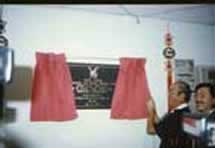
The Tole Officially Opened by our Health Minister.
- Alternative Centre |
|
|
The above picture is taken during the New Medical Centre Opening Ceremony by our Health Minister YAB Dato. Lee Kim Sai in 1993 January 31st. |
|
|
| |
Contact Us |
THE TOLE
ACUPUNCTURE-HERBAL MEDICAL
CENTRE SDN BHD
Lot 2.01, 2nd Floor, Medical Specialist Floor, Menara KH (Menara Promet), Jalan Sultan Ismail, 50250 Kuala Lumpur
Tel: 603-21418370
603-21451671
Whatsapp (only): 6012-7688284
* E-mail consultation with Master and Assistant.
Ask by e-mail
|
|
|
| |
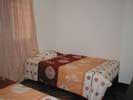
Accommodation |
|
CONDOMINIUM |
|
| |
|
|
| |
|